穏やかな光と月の神 ― 月読神社|A Shrine of the Moon and Gentle Light
 Karin Nakamura
こんにちは。
こちらは平将門ゆかりの神社ということで訪れました。
月読神社は、945年(天慶8年)にこの地で信仰の場として成立したと伝えられています。
創建当初から、神と仏を分けない信仰が行われており、月の神である月読命と、月待信仰に結びつく勢至菩薩が重ねて祀られてきました。
この信仰は、旧暦二十三夜の月を待って祈る二十三夜尊信仰として広まり、人々からは親しみを込めて「三夜尊」「三夜様」「樋の沢のさんやさま」と呼ばれていました。
神道的には月読命として、仏教的・民間信仰としては勢至菩薩や二十三夜尊として理解され、立場や時代によって呼び名が使い分けられていたと考えられています。
また、平将門にまつわる伝承が残ることも、この地の信仰の背景の一つとされています。
明治時代の神仏分離令により、こうした神仏習合の信仰は整理され、現在は月読命を祭神とする月読神社として受け継がれています。
まずは参拝します。
Hello.
We visited this shrine as it is associated with Taira no Masakado.
From its establishment in 945 (Tengyo 8), this site functioned as a place of worship where Shinto and Buddhist beliefs were not separated. The moon deity Tsukiyomi-no-Mikoto and Seishi Bosatsu, who is associated with moon-waiting practices, were worshipped together.
This faith spread as the Twenty-third Night Moon Worship, in which people prayed while waiting for the moon on the twenty-third night of the lunar calendar. The object of worship was affectionately called Sanya-son, Sanya-sama, or Hinosawa no Sanya-sama by local people.
In Shinto belief, the deity was understood as Tsukiyomi-no-Mikoto, while in Buddhist and folk traditions, it was revered as Seishi Bosatsu or the Twenty-third Night deity. Although the names differed, they referred to the same sacred presence.
Following the Meiji-era policy of separating Shinto and Buddhism, these combined forms of worship were reorganized. The shrine has since been passed down as Tsukuyomi Shrine, with Tsukiyomi-no-Mikoto enshrined as its deity.
First, we offer our prayers.
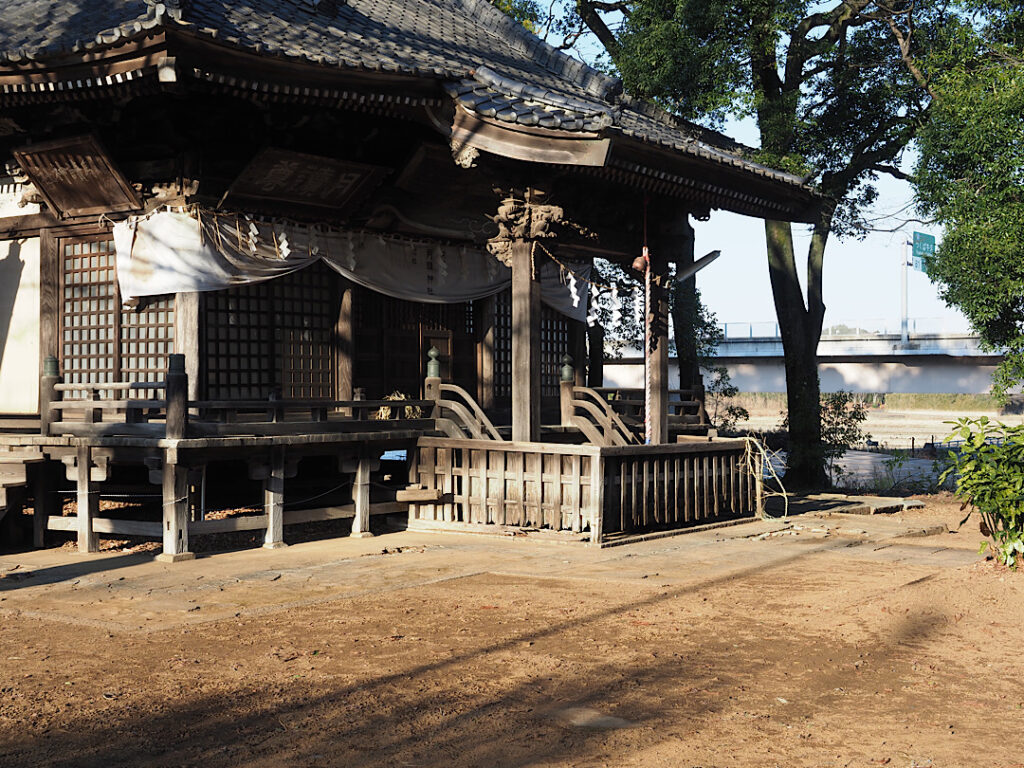
社殿の後ろにはご神木が立っています。
A sacred tree stands behind the shrine building.
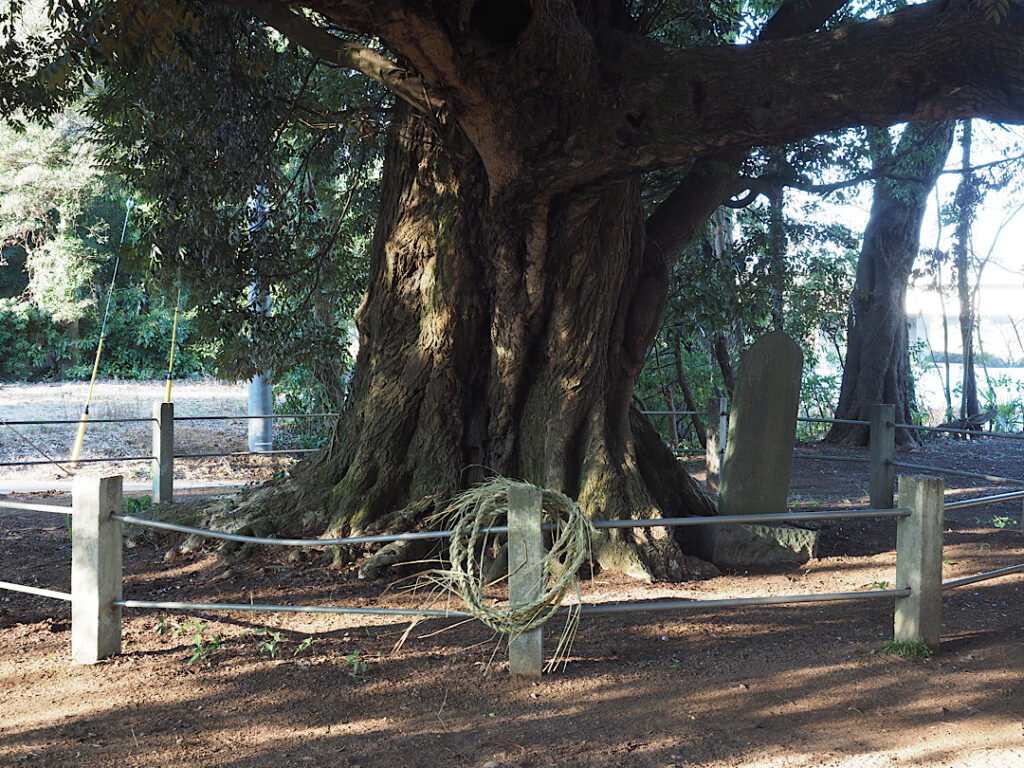
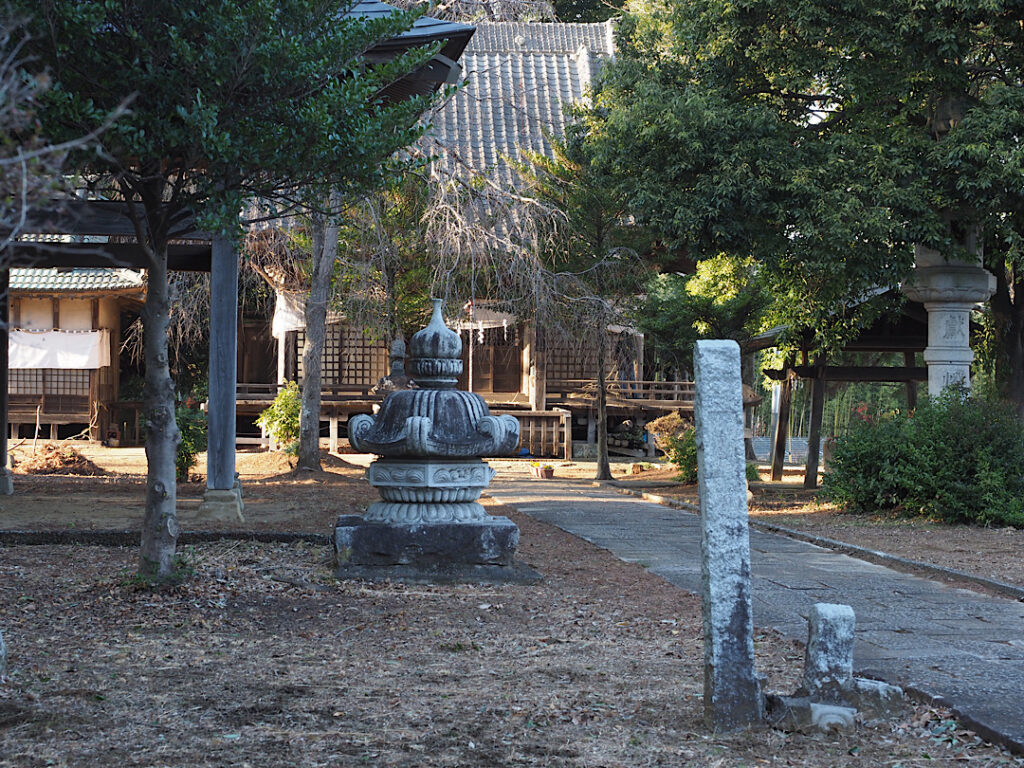
境内は静かで、華やかさがあるわけではありませんが、私たちが訪れていた数十分のあいだにも、数人の参拝者が足を運んでいました。
地域の人々にとって、日常的に親しまれている神社であることが感じられました。
The shrine was calm and unassuming. Even in the short time we spent there, a few worshippers quietly came to pay their respects.
It felt like a place closely tied to the daily lives of the local people.
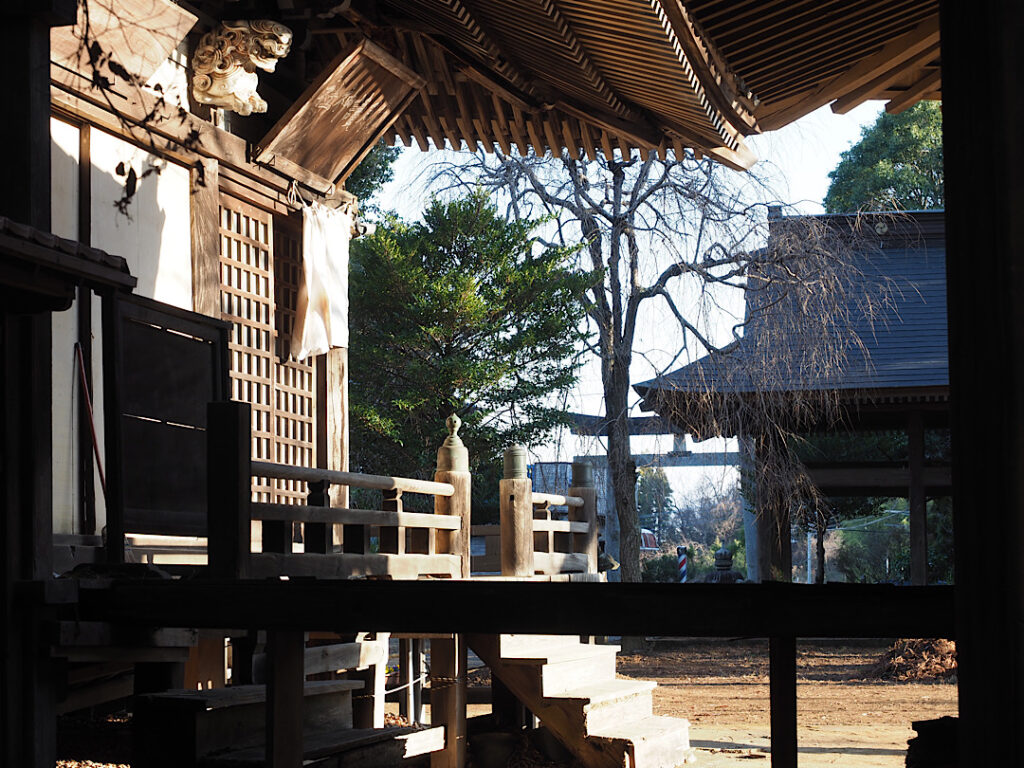
上を見上げてみました。
I looked up.
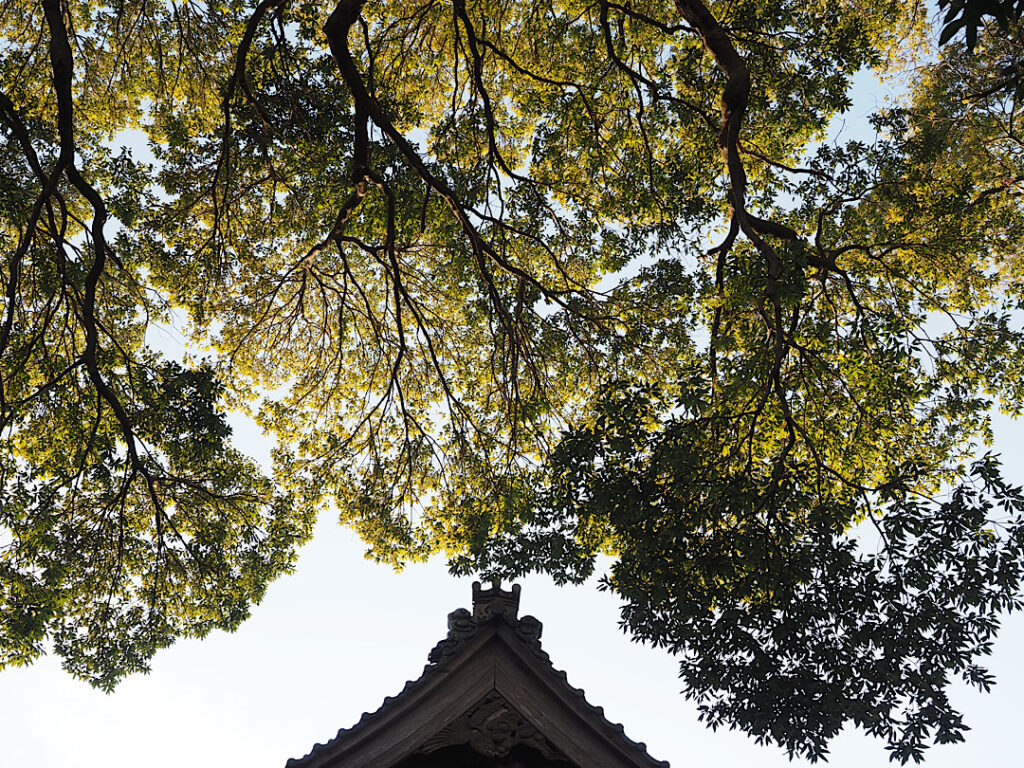
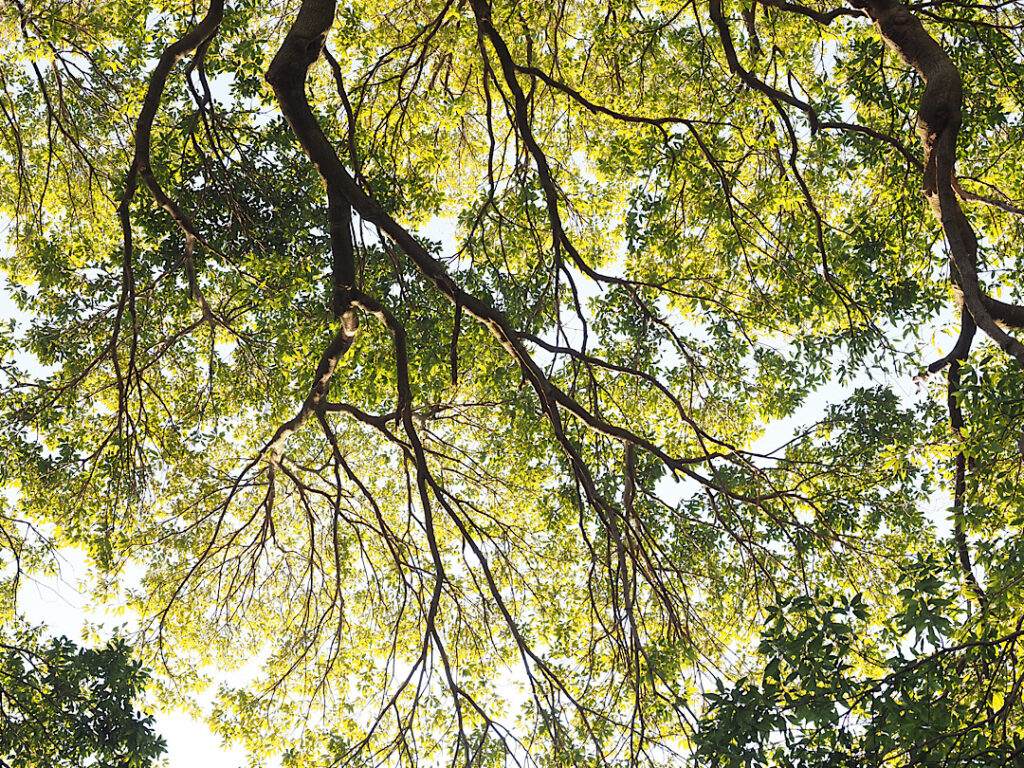
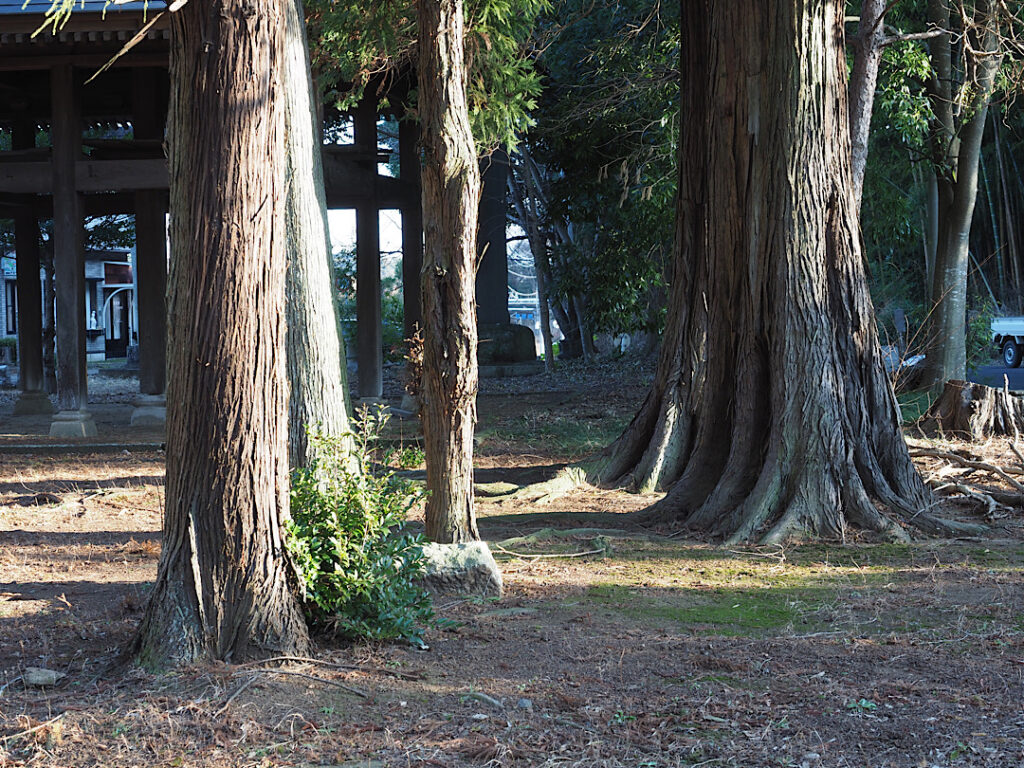
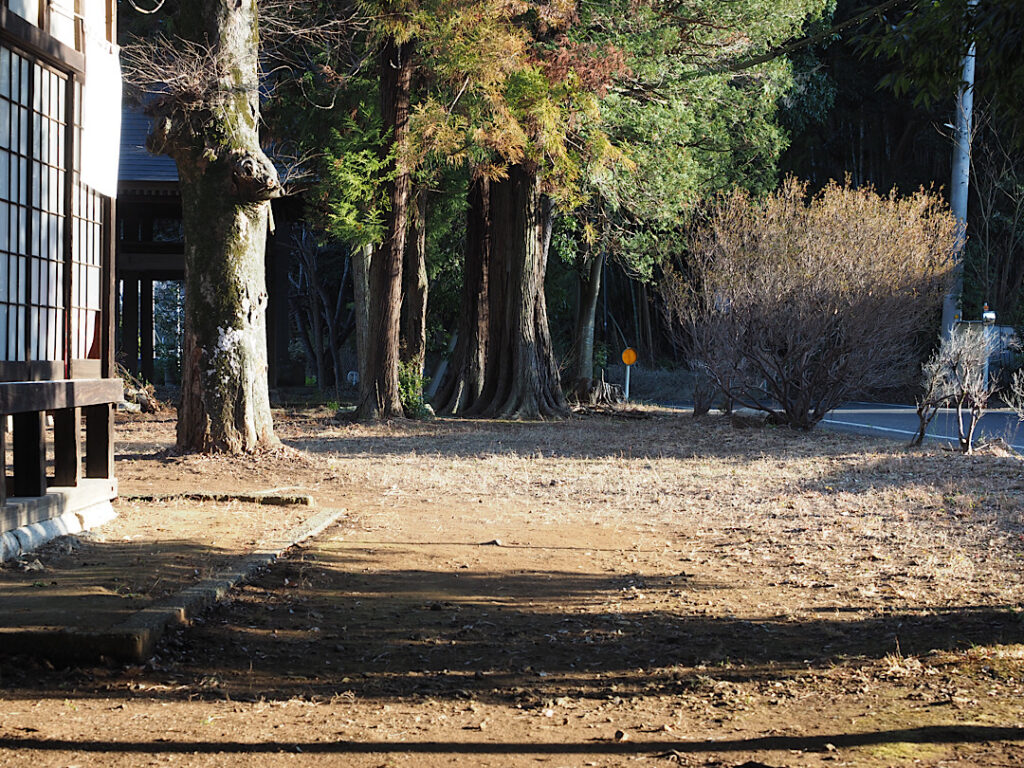
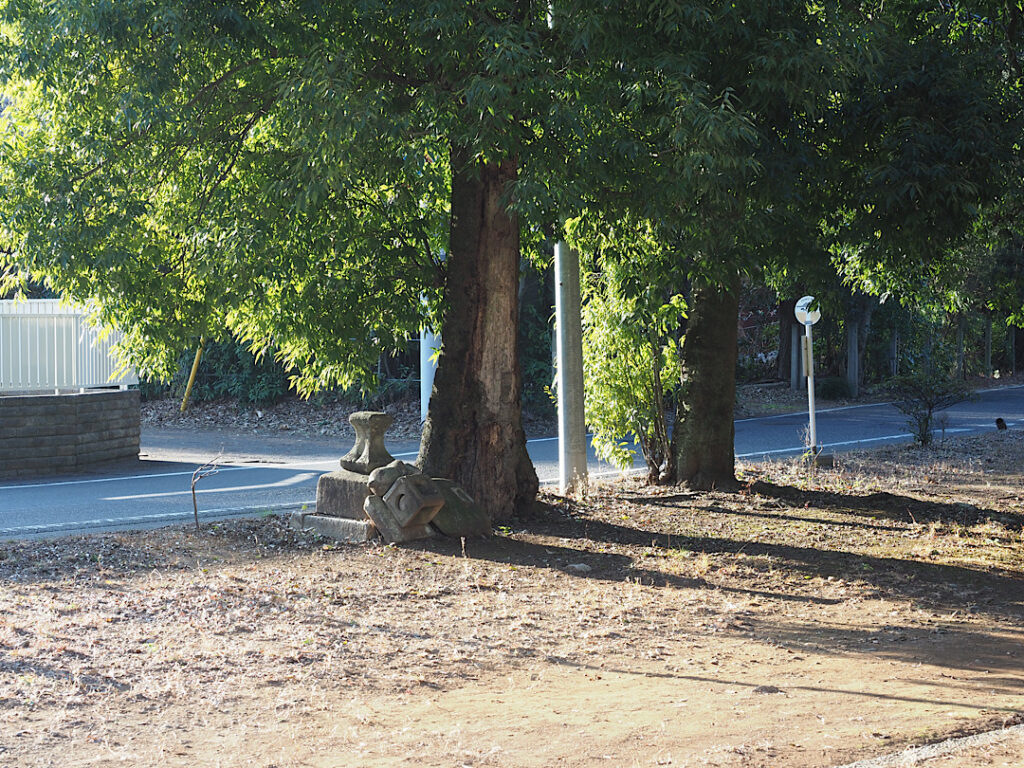
境内には、穏やかな光が入り込んでいました。
Soft light was filtering through the shrine grounds.
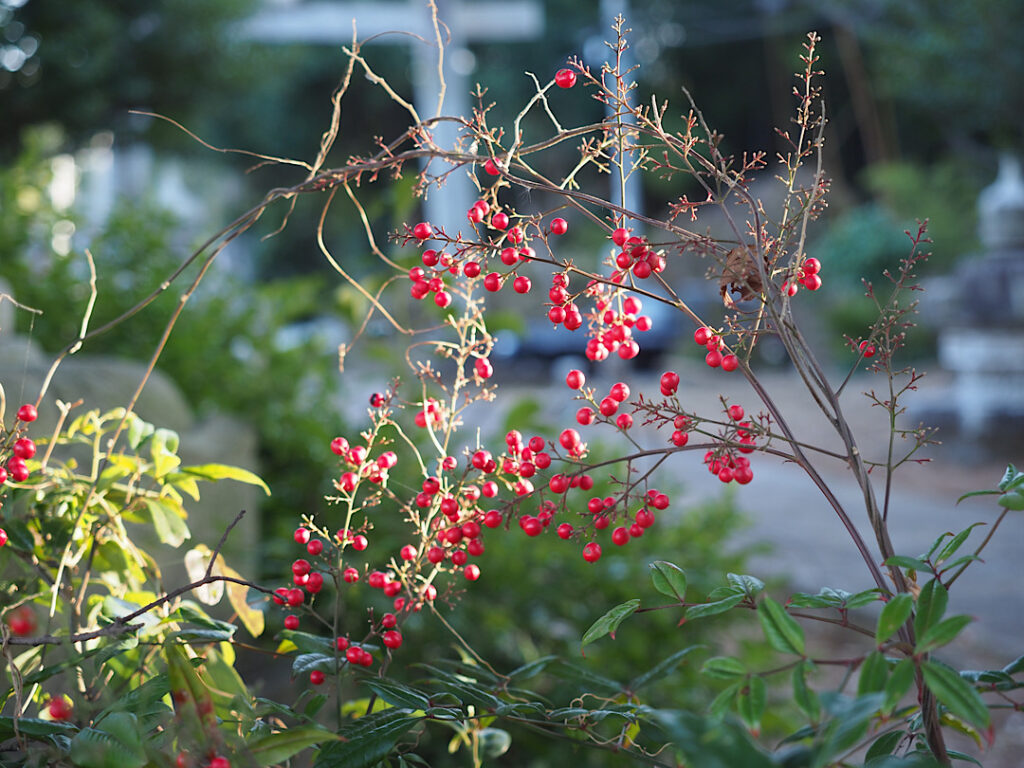
南天の赤くて丸い実が可愛いです。
The red, round berries of the nandina are very charming.
今回は、平将門ゆかりの神社ということで訪れました。
境内は静かで、やわらかな日差しが差し込み、心が癒されるような時間を過ごしました。
その空気感が、写真を通して皆さんにも伝わっていれば嬉しいです。
それではまた。
This time, I visited the shrine because of its connection to Taira no Masakado.
The grounds were quiet, with soft sunlight filtering in, and I spent a calming, soothing moment there.
I hope that atmosphere comes across to you through the photographs.
See you in the next post.